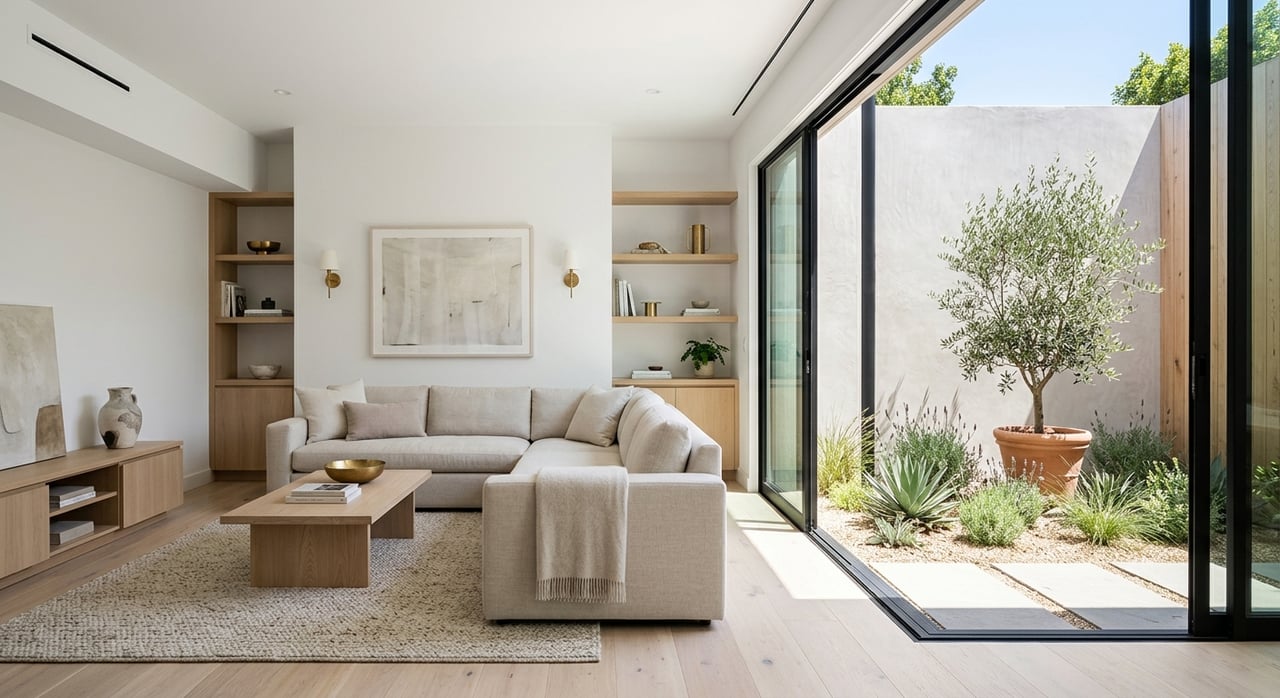
Are you thinking about trading extra square footage for a simpler lifestyle, but worried about what that really looks like in Palo Alto? You are not alone. Downsizing here can open the door to lower maintenance, a different monthly budget, and a home that better fits your next phase, but it also takes careful planning in a market where smaller options are limited and still costly. This guide will help you think through timing, taxes, housing choices, and sale preparation so you can move forward with more clarity. Let’s dive in.
Why downsizing in Palo Alto takes planning
Palo Alto is not a market with an endless supply of smaller detached homes. According to the City of Palo Alto’s 2025 to 2030 Consolidated Plan, 59% of the housing stock is single-family detached, housing growth was only 5% from 2013 to 2023, and the median home value was about $3.4 million in 2023. That mix can make it harder to find a lower-footprint home if you want to stay in the city.
Current MLSListings data shows the same pattern. Single-family homes have a median sale price of $3.8 million, with 23 active listings and a median 11 days on market. Condos and townhomes average $1,562,500 with 30 active listings, which makes attached housing the main downsizing path for many homeowners, even though it remains expensive by most standards.
Start with your goals
Before you look at listings, define what you want your next chapter to feel like. Some homeowners want less upkeep and fewer stairs. Others want to free up equity, shorten their commute to daily needs, or simplify travel and maintenance.
It also helps to decide what you do not want to give up. You may still care deeply about privacy, outdoor space, a ground-floor layout, or room for guests. In Palo Alto, where trade-offs can be sharp, knowing your non-negotiables early can save time and stress.
Compare your likely housing options
For many downsizers in Palo Alto, the real choice is not just smaller versus larger. It is often smaller single-family home versus condo or townhome. Each option can support a simpler lifestyle, but they come with different costs, responsibilities, and day-to-day experiences.
Smaller single-family homes
A smaller detached home can still offer independence, private outdoor space, and flexibility for aging in place without shared walls. That can be appealing if you want quiet, control over your property, or room for hobbies and visiting family.
The challenge is supply. Because Palo Alto remains heavily weighted toward detached homes overall, truly smaller detached options can be relatively limited, and buyers may have to pay a premium for that independence.
Condos and townhomes
Condos and townhomes are often the most realistic lower-maintenance option in Palo Alto. They can reduce yard work and exterior maintenance, which is a major reason many homeowners choose to downsize.
That said, attached homes require a different kind of review. HOA dues, special assessments, rules, and governance documents all affect your monthly budget and comfort level, so those details matter just as much as the floor plan.
Review the financial side before you move
Downsizing is not only about price. It is about how your sale proceeds, taxes, and future housing costs work together. A move that looks simpler on paper can feel very different once transfer taxes, HOA dues, repairs, and moving costs are added in.
A good first step is building a side-by-side budget for your current home and your likely replacement options. That gives you a more realistic picture of whether your next home will truly lower your carrying costs or simply shift them.
Proposition 19 may change the math
If you are 55 or older, or a qualifying disabled homeowner, Proposition 19 may allow you to transfer your home’s factored base-year value to a replacement primary residence in California. The California State Board of Equalization says you file the claim after both transactions are complete and after you are living in the replacement home.
Timing matters. Under BOE guidance, a replacement home can be purchased before or after the sale, as long as the timing rules are met. Equal-or-lesser-value treatment means the replacement home can be worth up to 100% of the original home’s value if bought before the sale, 105% if bought within one year after the sale, or 110% if bought within the second year after the sale.
If the replacement home costs more, the excess value is added to the transferred base-year value. For Palo Alto homeowners, this can be especially important because even attached homes or smaller homes elsewhere in the Bay Area may still come with a high price tag.
Estimate taxes and net proceeds carefully
If you are selling a primary residence, IRS Publication 523 says qualifying sellers may exclude up to $250,000 of gain, or up to $500,000 for married couples filing jointly, if the ownership and use tests are met. That is an important conversation to have early if your home has appreciated significantly.
You should also budget for local transfer taxes. In Palo Alto, the city documentary transfer tax is $1.65 per $500 of consideration, and Santa Clara County’s documentary transfer tax is $0.55 per $500. Those costs can affect your final net proceeds more than many sellers expect.
Consider short-term cash flow needs
Some downsizers are equity-rich but cash-flow conscious during the transition. If that sounds familiar, it may help to explore whether California’s Property Tax Postponement Program applies to your situation.
The program can defer current-year property taxes for qualifying seniors, blind, or disabled homeowners who meet income and equity requirements. The postponed taxes are secured by a lien and become due when the property is sold or transferred, so it is important to weigh short-term relief against the long-term obligation.
Prepare your current home early
In Palo Alto, good planning often starts well before your home hits the market. California sellers are entitled to a disclosure package covering the property’s physical condition, hazards, material issues, and special taxes or assessments. The California Department of Real Estate also states that the buyer’s agent must visually inspect the property and disclose readily observable defects.
That means surprise issues can delay a sale, affect negotiations, or complicate escrow if they surface late. Starting early gives you more time to decide what to repair, what to disclose, and how to present the home clearly and confidently.
Gather disclosures and reports
If your property is a condo or planned unit development, timing matters even more. California guidance notes that the seller typically has 7 days to disclose the home type and, if applicable, order the required HOA documents.
Under Civil Code 4525, the disclosure package may include governing documents, current assessments and fees, unpaid assessments and fines, unresolved violation notices, the latest budget or financial documents, and the most recent HOA inspection report, among other items. If your home has an HOA, collecting these items early can help prevent avoidable delays.
Make repair decisions strategically
Not every home needs a major pre-sale renovation. What matters most is understanding the property’s condition, deciding which issues could affect buyer confidence, and setting realistic expectations around pricing and timing.
This is where a detailed, process-driven approach can make a big difference. A calm review of condition, disclosures, and likely buyer concerns can help you avoid rushed decisions and reduce friction once offers start coming in.
Build a realistic buying plan
Once you know your goals and likely net proceeds, you can build a buying strategy that fits the realities of Palo Alto. Because inventory can be tight and single-family homes move quickly, your timing matters.
Some homeowners prefer to buy first if they want more control over where they land. Others prefer to sell first so they know exactly what they can spend. Proposition 19 timing rules may also shape that choice, so the right sequence depends on both lifestyle and numbers.
Look beyond price alone
The monthly payment is only one part of the picture. If you are considering a condo or townhome, review HOA dues, reserve strength, any assessment history, unresolved violations, and recent inspection materials.
California buyers can access governing documents, recent financials, assessment information, requested board minutes, and the latest inspection report. Those records help you understand whether a lower-maintenance home may also bring future shared costs.
Focus on daily livability
A successful downsize is about how the home works for you every day. Think about layout, stairs, storage, parking, guest space, and how much hands-on maintenance you want to manage.
You may also want to think one step ahead. A home that feels easy today and practical several years from now can give you more flexibility, especially in a market where moving again may be expensive.
Questions worth asking before you decide
If you are mapping out a downsize in Palo Alto, these are smart questions to ask early:
- Do you qualify for a Proposition 19 base-year transfer?
- Is it better for your situation to buy before you sell or sell before you buy?
- How will city and county transfer taxes affect your net proceeds?
- Will HOA dues, assessments, and shared maintenance change your long-term monthly budget?
- If you choose an attached home, what do the HOA reserves, recent financials, and inspection report suggest about future costs?
- Do you need a short-term strategy to manage property taxes or moving-related cash flow?
Downsizing can be a practical financial move, but it is also personal. The best plan usually balances numbers, timing, and the kind of lifestyle you want next.
A thoughtful strategy can help you sell with confidence, compare replacement options clearly, and avoid common surprises around disclosures, taxes, and HOA review. If you want calm, detailed guidance tailored to your situation, Karin Freiman can help you plan your next move with clarity.
FAQs
What does downsizing in Palo Alto usually mean?
- In Palo Alto, downsizing often means moving from a larger single-family home into a smaller single-family home, condo, or townhome, with attached homes being the more common lower-maintenance option.
How expensive are smaller homes in Palo Alto?
- MLSListings data in the research report shows single-family homes at a median sale price of $3.8 million, while condos and townhomes average $1,562,500, so smaller homes can still be costly.
How does Proposition 19 help Palo Alto downsizers?
- Proposition 19 may allow eligible homeowners age 55+ or qualifying disabled owners to transfer their factored base-year value to a replacement primary residence in California, subject to the state’s timing and value rules.
What transfer taxes should Palo Alto home sellers expect?
- Sellers should budget for both the Palo Alto documentary transfer tax of $1.65 per $500 of consideration and the Santa Clara County documentary transfer tax of $0.55 per $500.
What should buyers review before purchasing a Palo Alto condo or townhome?
- Buyers should review HOA dues, assessments, governing documents, financials, inspection reports, and any unresolved issues that could affect future costs or use of the property.
When should you start preparing a Palo Alto home for downsizing?
- It is wise to start early so you have time to gather disclosures, review the home’s condition, decide on repairs, and prepare any required HOA documents before listing.