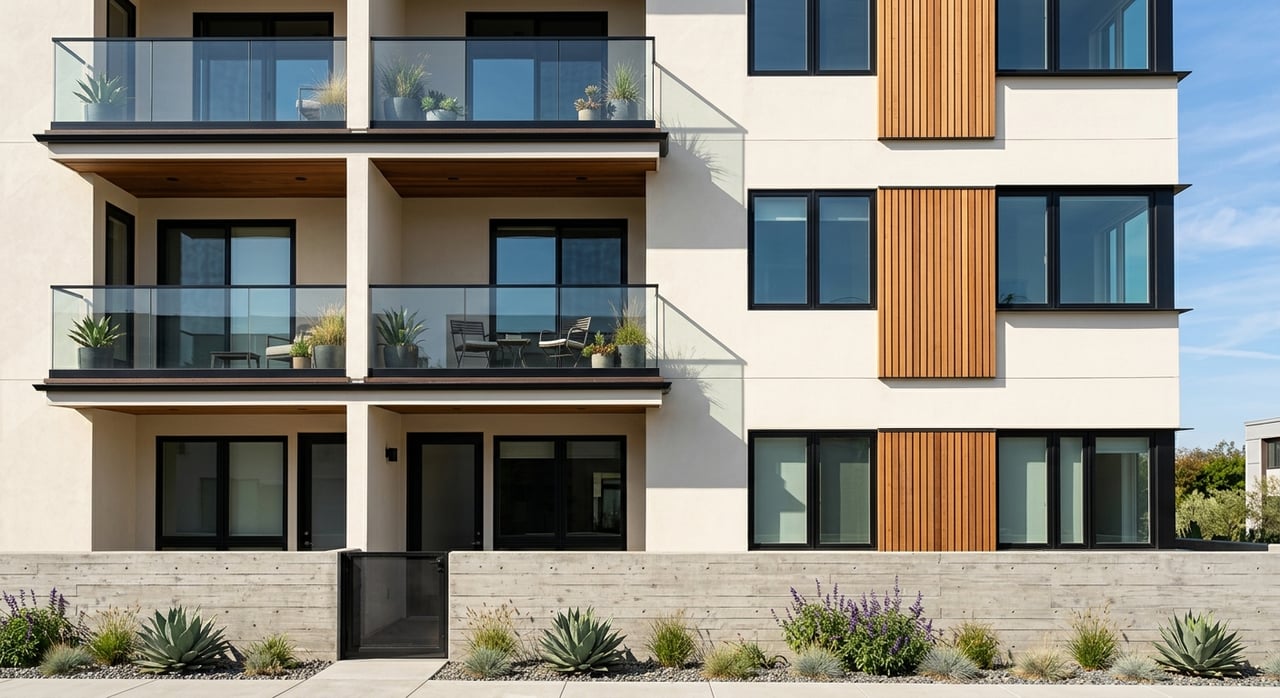
Trying to decide between a condo and a townhome in Santa Clara? You are not alone. Many buyers start with the look of the home, then realize the bigger question is what you actually own, what the HOA handles, and how the monthly cost fits your budget. If you want a clearer way to compare your options in Santa Clara, this guide will help you sort through the legal details, pricing differences, and everyday tradeoffs that matter most. Let’s dive in.
Why the condo vs. townhome label can mislead
In California, the words condo and townhome do not always mean what buyers think they mean. A condo is a legal form of ownership, while a townhome is usually an architectural style.
That distinction matters because two homes that look similar from the street can come with very different ownership rights and maintenance responsibilities. In other words, the exterior style does not tell you the full story.
What ownership means in California
A condominium in California includes an undivided interest in common property plus a separate interest in a unit. In simple terms, you own your unit space, and you also share ownership of common areas with the other owners in the community.
A planned development is different. In that setup, your separate interest can be a lot, parcel, area, or space, which can feel more like traditional homeownership depending on how the project is structured.
If the boundaries of the home are defined by walls, floors, or ceilings, the interior surfaces are generally part of the separate interest, and the rest is usually common area unless the recorded declaration says otherwise. That is why reviewing the recorded documents is so important before you move forward.
Why “townhome” is not enough
The California Department of Real Estate specifically notes that townhome is not a legal term. A townhouse-style home can be created as a condo or as a planned development.
That means you should not assume a townhome automatically gives you ownership of the land underneath it, or that a condo always means a stacked building. The legal structure controls what you own and what the HOA manages.
How exclusive use areas affect daily life
Some of the features buyers care about most are not always part of the separate interest. California law treats certain items outside the unit boundaries, but reserved for one owner’s use, as exclusive use common area.
This can include:
- Patios
- Balconies
- Exterior doors
- Windows
- Private yard areas
- Driveways
- Parking spaces
This matters because an area may feel private, but the repair and replacement rules may be different from what you expect. Before you buy, it is worth confirming exactly how these spaces are classified in the HOA documents.
HOA responsibilities matter more than home style
One of the biggest practical differences between homes in Santa Clara is not whether a listing says condo or townhome. It is who is responsible for what.
Under California’s default rule, the association maintains the common area, the owner maintains the separate interest, and the owner maintains exclusive use common area while the association repairs and replaces it, unless the declaration says otherwise. That last part is key because the governing documents can shift those responsibilities.
Items to compare before you offer
When you are comparing properties, ask who pays for maintenance, repair, or replacement of:
- Roofs
- Siding
- Windows
- Balconies
- Patios
- Parking areas
- Private yards
A lower purchase price can lose some of its appeal if the HOA documents place more upkeep on you than expected. A higher monthly HOA fee may be easier to accept if it covers costly exterior items and reduces your maintenance workload.
Santa Clara price differences are significant
Current Santa Clara listing snapshots show a notable gap between condo and townhouse pricing. There are 63 condos for sale in Santa Clara at a median listing price of $660,000, compared with 18 townhouses at a median listing price of $1.29 million.
For broader context, Santa Clara’s citywide median list price is $1,624,400 and the citywide median sale price is $1,698,983. By simple comparison, condos are roughly 41% of the citywide median list price, while townhomes are about 79%.
That does not mean one option is better than the other. It does mean your budget may point you toward one category first, especially if you are trying to balance purchase price, HOA dues, and your monthly payment.
Space and layout usually differ too
Price is only part of the picture. Layout and square footage often shape the choice just as much.
Current Santa Clara condo inventory ranges from smaller one-bedroom homes around 653 to 816 square feet up to larger three-bedroom examples around 1,625 square feet. Townhome inventory tends to skew larger, with many two- to three-bedroom listings around 1,108 to 1,800 square feet.
If you want a more compact footprint and simpler upkeep, a condo may fit well. If you want more room, more separation between living areas, or a more house-like floor plan, a townhome may feel like the better match.
Santa Clara remains a competitive market
Your timing and preparation matter because Santa Clara is still a competitive market overall. Current market snapshots show about four offers on average and roughly 12 days on market across all home types.
In a market like that, clarity helps. If you know your price range, your space needs, and your comfort level with HOA rules before you start writing offers, you can move more confidently when the right property comes up.
When a condo may fit better
A condo often makes sense if your main goal is a lower entry price. In Santa Clara, that can open the door to homeownership for buyers who want to get into the market without stretching all the way to townhome pricing.
A condo may also work well if you prefer a smaller footprint and want fewer day-to-day maintenance responsibilities. You may be trading some privacy and flexibility for a simpler ownership experience, but for many buyers that tradeoff is worth it.
Condo buyers often value
- Lower entry pricing than townhomes
- More compact layouts
- Less exterior maintenance on a day-to-day basis
- A practical starting point for first-time buyers
When a townhome may fit better
A townhome often appeals to buyers who want more square footage and a more traditional home feel while still staying in a managed community. That can be especially appealing if you want multiple levels, clearer separation of living and sleeping areas, or extra room for a home office.
At the same time, townhome communities can still have meaningful HOA dues. Many planned developments include private streets, pools, clubhouses, trails, or other shared amenities, which helps explain why monthly costs can remain substantial.
Townhome buyers often value
- Larger floor plans
- More separation of space
- A more house-like layout
- Community management without fully detached-home responsibilities
The HOA documents deserve close attention
If you are buying into an HOA in California, the documents can tell you a lot about the health of the community and your future costs. Sellers are required to provide governing documents, the most recent budget documents, current assessment and fee information, unresolved violation notices, rental restrictions, and, if requested, the last 12 months of board minutes.
The association must provide requested documents within 10 days. This gives you a real opportunity to look past the listing photos and understand how the community operates.
Key HOA items to review
California requires an annual budget report that includes:
- A reserve summary
- A reserve funding plan
- Disclosure of deferred repairs or possible special assessments
- Summaries of the association’s insurance policies
The board must also have a reserve study inspection done at least once every three years. For you as a buyer, that means there are concrete records to review when you want to understand whether dues seem well supported or whether future costs may be building.
A practical way to choose in Santa Clara
If you are deciding between a condo and a townhome in Santa Clara, it helps to focus on four things instead of the marketing label alone: ownership form, HOA scope, monthly carrying cost, and how much maintenance you want on your own plate.
Here is a simple checklist you can use as you compare homes:
- Confirm whether the property is legally a condo or a planned development
- Review what is separate interest, common area, and exclusive use common area
- Compare HOA dues with what the HOA actually covers
- Check reserve funding and any signs of deferred repairs
- Ask whether a special assessment seems likely
- Review any rental restrictions for future flexibility
- Compare square footage and layout against your daily needs
- Weigh the purchase price against your full monthly cost
The bottom line for Santa Clara buyers
In Santa Clara, the best choice is usually not about whether a listing sounds more appealing as a condo or a townhome. It is about how the property is legally structured, what responsibilities come with it, and whether the total cost and layout support your goals.
A condo may be the right move if you want a lower entry point and a simpler ownership setup. A townhome may be the better fit if you want more space and a house-like feel. Either way, reading the documents carefully can save you from expensive surprises later.
If you want help comparing Santa Clara condos and townhomes with a clear, practical lens, Karin Freiman can help you evaluate the details, understand the tradeoffs, and move forward with confidence.
FAQs
What is the difference between a condo and a townhome in Santa Clara?
- In Santa Clara, a condo is a legal ownership form, while a townhome is usually an architectural style. A townhouse-style property can be legally structured as a condo or as a planned development.
Are townhomes in Santa Clara always more expensive than condos?
- Current listing snapshots show townhomes in Santa Clara at a median listing price of $1.29 million versus $660,000 for condos, so townhomes are generally priced higher in the current market.
Do Santa Clara condos always have less maintenance than townhomes?
- Not always. Maintenance responsibilities depend on the HOA documents and how the property is legally structured, not just on whether the listing calls it a condo or a townhome.
What should Santa Clara buyers review in HOA documents?
- You should review maintenance responsibilities, current dues, reserve funding, possible special assessments, insurance summaries, rental restrictions, and any unresolved violation notices.
Can a Santa Clara townhome still have high HOA dues?
- Yes. Many planned developments include private streets or shared amenities like pools, clubhouses, trails, or other common facilities, which can lead to meaningful HOA dues.
Is Santa Clara a competitive market for condos and townhomes?
- Yes. Current market snapshots show Santa Clara averaging about four offers and roughly 12 days on market across all home types.