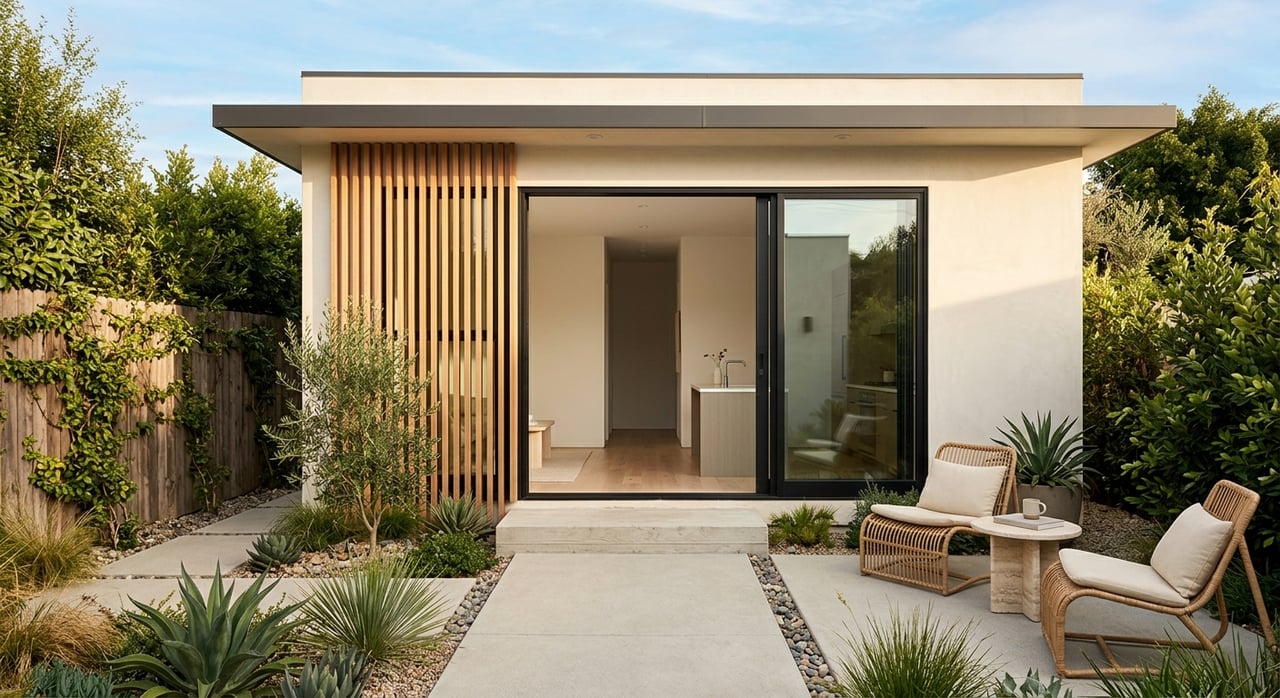
Wondering if you should keep your Santa Clara home as a rental instead of selling it? In a high-cost market, that choice can look smart on paper, but the details matter more than many owners expect. If you are relocating, moving up, or holding a property for long-term wealth, this guide will help you think through rent potential, local rules, property prep, and management decisions before you commit. Let’s dive in.
Start With the Financial Math
Turning your home into a rental starts with one basic question: Will the numbers work for you? Santa Clara remains a supply-constrained rental market, and Zillow reported average citywide rent at $3,600 as of July 2, 2026, with 269 available rentals and a warm market temperature.
That headline number is helpful, but it is only a starting point. Zillow also reported typical rents of about $2,100 for studios, $3,100 for one-bedrooms, $3,750 for two-bedrooms, and $4,995 for three-bedrooms. Your home’s size, layout, condition, and rental strategy will affect where it may fit.
A realistic rental analysis should account for more than your mortgage. You will also want to budget for:
- Property taxes
- Insurance
- Maintenance and repairs
- Vacancy between tenants
- Turnover costs
- Possible property management fees
In other words, strong rent does not automatically mean strong cash flow. In Santa Clara, the market can support meaningful rental income, but the cost structure is high enough that a careful break-even review is essential.
Understand Santa Clara Rental Demand
Santa Clara’s housing and rental trends help explain why many owners consider becoming landlords. The Census Bureau’s 2020 to 2024 ACS reported a countywide median gross rent of $2,857, median household income of $164,281, and a 55.1% owner-occupied housing rate.
Santa Clara’s 2020 housing data also showed a 94% occupancy rate, with for-rent units making up the largest share of vacancies. That points to an active rental market, but it also suggests you should expect competition from other rental listings. Pricing your home correctly from the start matters.
If your home is clean, well-maintained, and aligned with current market expectations, it may attract steady interest. If it is overpriced or needs work, longer vacancy can quickly reduce your returns.
Check California Rent Rules First
Before you list your property, make sure you understand the rules that may apply to rent increases. California’s Tenant Protection Act generally caps rent increases at 5% plus inflation, or 10% whichever is lower, and allows no more than two increases in a 12-month period.
The law also allows landlords to set the initial rent at the start of a new tenancy. That makes your first pricing decision especially important. If you start too low, your ability to catch up later may be limited.
Some single-family homes and condos may be exempt, but only if the owner qualifies and gives the required written notice. There is also an exemption for owner-occupied single-family residences renting no more than two units or bedrooms. Because exemptions depend on the ownership setup and notice requirements, this is one area where careful documentation matters.
Know the New Security Deposit Limits
Security deposit rules changed in California in 2024, and this is a major update for homeowners who have not rented property before. Under AB 12, most landlords may collect no more than one month’s rent as a security deposit.
A qualifying small landlord may collect up to two months’ rent, but that exception does not apply if the prospective tenant is a service member. If you plan to rent out your Santa Clara home, you should confirm which rule applies before marketing the property.
The deposit rules do not end when the lease starts. California law also requires landlords to provide an itemized accounting and return any remaining deposit within 21 calendar days after move-out.
Consider Local Santa Clara Rules
If you plan to rent the entire home to one household under a standard lease, your path may be more straightforward. If you are thinking about room-by-room rentals or a house-share setup, Santa Clara has local rules you need to review closely.
The city has single-family-zone rental rules aimed at boarding house-type use. The ordinance points to concerns such as noise, parking, maintenance, trash, and unruly gatherings, and it requires architectural review for some R-1 projects with four or more bedrooms to help ensure adequate common space and off-street parking.
This means your rental strategy matters just as much as the property itself. A whole-home lease and a room-rental model can trigger very different practical and compliance questions.
Santa Clara also states that its rental-unit tax applies only when a person operates three or more rental units in the city. Its business-tax guidance also notes that rentals of three or more units require a rental-unit license application. For many homeowners converting one house into one rental, this is often a threshold issue to verify rather than an automatic tax or license requirement.
Review Permits Before Making Changes
Some owners need to make updates before renting out a former primary residence. You may be adding a bedroom, changing the layout, converting space, or doing repair work to get the home ready.
In Santa Clara, permit, inspection, and zoning questions go through the city’s Permit Center and Building Division. The city states that building and inspection services cover additions, remodels, repairs, and changes in use.
That makes permit review an early step, not an afterthought. If your rental plan depends on a remodel or a change in how the home will be used, check requirements before you spend money or start marketing.
Focus on Habitability Before Style
When owners prepare a home for rental, it is easy to focus on paint colors and staging. In practice, habitability and safety come first.
California guidance says a rental should have working plumbing, heat, and electrical systems, along with safe exits, deadbolt and window locks, and working smoke detectors in bedrooms and designated areas. Carbon monoxide detectors are also required when the home has fuel-burning appliances or an attached garage.
For many Santa Clara homeowners, the smartest prep list starts with deferred maintenance. Fix the systems, address safety items, and document what was done before worrying about cosmetic upgrades.
Build a Clear Written Lease
A strong lease helps prevent confusion later. California guidance says a written lease should clearly state the landlord and tenant names, rental address, rent amount, due date, payment method, security deposit amount and purpose, pet policy, maintenance contact information, and entry rules.
Leases can also address smoking restrictions and other house rules. Once signed, the landlord should provide a complete copy to the tenant.
Clear paperwork is one of the best ways to protect both sides. If expectations are vague at move-in, problems are much more likely during the tenancy.
Document the Home’s Condition
Before handing over keys, document the property carefully. Photos, written notes, repair records, and move-in condition details can make a big difference if questions come up later.
This matters most when the tenant moves out. California law allows tenants to request a pre-move-out inspection, and the landlord must send the security deposit accounting within 21 days after move-out.
A clear paper trail can reduce deposit disputes and make the turnover process smoother. It is one of the simplest habits that can save time and stress later.
Decide Whether to Self-Manage
Some Santa Clara homeowners are comfortable managing a rental themselves. That can work well if you live nearby, respond quickly, and are prepared to handle rent collection, maintenance coordination, notices, and deposit rules.
For others, management becomes the hardest part of the decision. If you are relocating, inheriting a property, or simply want less day-to-day involvement, property-management support may be worth considering.
This is not just about convenience. California rentals involve detailed administrative steps, local compliance questions, and ongoing recordkeeping, so management style should match your time, skill, and comfort level.
Use Consistent Screening and Fair Housing Practices
Whether you self-manage or get support, fair housing compliance applies. California’s Civil Rights Department states that it is illegal to discriminate or harass based on protected characteristics.
That is why consistent screening criteria matter. If you use written standards and keep clear records, you are in a stronger position to manage your rental professionally and fairly.
Santa Clara also has local support resources. Project Sentinel offers free, confidential, neutral fair-housing counseling and landlord-tenant mediation, and the city points residents to permit, planning, and legal-aid resources for tenancy-related questions.
When Keeping the Home Makes Sense
Converting your Santa Clara home into a rental can make sense if your projected rent supports your long-term goals and you are ready for the operational side of ownership. It may be especially appealing if you want to keep a foothold in the local market, build equity over time, or hold the property for future flexibility.
Still, this is rarely a decision to make based on rent estimates alone. The right answer depends on your numbers, your timeline, the condition of the home, and how much management responsibility you want to take on.
A calm, organized review can help you avoid expensive surprises. If you are weighing whether to rent or sell, it helps to talk through the market, the property, and the likely next steps before you commit. If you want practical guidance tailored to your situation in Santa Clara, Karin Freiman can help you evaluate your options with a clear plan.
FAQs
What rent could a Santa Clara home potentially achieve?
- Zillow reported average Santa Clara rent at $3,600 as of July 2, 2026, with roughly $2,100 for studios, $3,100 for one-bedrooms, $3,750 for two-bedrooms, and $4,995 for three-bedrooms, but your actual rent depends on the home’s size, condition, and setup.
What costs should you include before renting out a Santa Clara home?
- You should review mortgage payment, property taxes, insurance, maintenance, turnover, vacancy, and any property-management fee to see whether the rental still works financially.
Do California rent caps apply to a Santa Clara single-family home rental?
- California’s Tenant Protection Act may apply, but some single-family homes and condos may be exempt if the owner qualifies and gives the required written notice.
How much security deposit can you collect for a Santa Clara rental?
- Under AB 12, most landlords may collect no more than one month’s rent, while a qualifying small landlord may collect up to two months’ rent, subject to the limits in the law.
Does a room-by-room Santa Clara rental need extra review?
- Yes, if you are planning a room-by-room or house-share model in a single-family area, Santa Clara’s local rules on boarding house-type use should be reviewed before listing.
Do you need permits before changing a Santa Clara home for rental use?
- If you plan additions, remodels, repairs, or changes in use, Santa Clara’s Permit Center and Building Division are the local sources to check before starting work.
What should a California lease include for a Santa Clara rental home?
- A written lease should clearly state names, property address, rent amount, due date, payment method, security deposit amount and purpose, pet policy, maintenance contact information, and entry rules.
Should you self-manage a rental home in Santa Clara?
- Self-management can work if you are nearby, responsive, and comfortable handling repairs, notices, rent collection, and documentation, but many owners prefer support when they want less daily involvement.