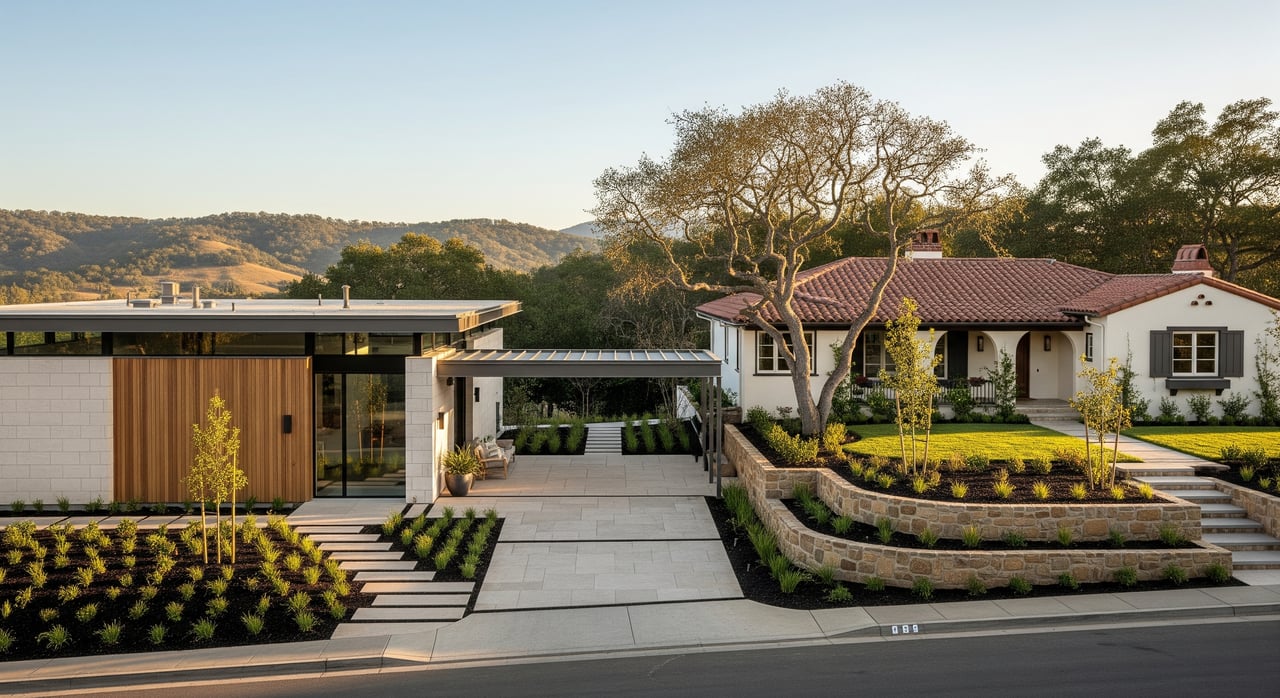
Thinking about buying in Morgan Hill and torn between a brand-new build and a resale home? You are not alone. Each path offers unique tradeoffs in cost, timeline, warranties, and negotiation. In this guide, you will learn how to compare total costs, understand taxes and assessments, plan your timeline, and use smart negotiation tactics to get more value.
Let’s dive in.
Quick comparison: new vs resale
Use this side-by-side snapshot to see which path aligns with your priorities.
| Criterion | New construction | Resale |
|---|---|---|
| Typical upfront price | Often higher due to builder premium and lot value | Variable; can be lower depending on condition and market |
| Negotiation flexibility | More on upgrades, rate buydowns, and closing costs; less on contract terms | More on price, repairs, inclusions, and timelines |
| Timeline to move-in | Spec homes can be quick; ground-up builds often 3–12+ months | Generally faster, often 30–45 days |
| Warranties | Commonly 1-year workmanship, 2-year systems, 10-year structural | No builder warranty; optional home-warranty plans |
| Inspection access & risk | Builder may limit inspection timing; punch-list items are typical | Full inspection access; potential deferred maintenance |
| Property taxes & assessments | Assessed at purchase price; check for Mello-Roos/CFD | May retain lower Prop 13 base if long-held; assessments known |
| HOA & amenities | New HOAs with evolving dues; future assessments possible | Established HOAs with a track record |
| Maintenance | Lower in the first years | Potentially higher near term |
| Customization | High if you buy early in the build | Limited without renovation |
| Best for buyers who want | New finishes, energy efficiency, low immediate maintenance | Established areas, faster move-in, price and repair negotiation |
Costs, taxes, and HOA fees
When you compare options, focus on total cost instead of just list price. New construction often carries a price premium for new finishes and builder profit. Resale pricing reflects comparable sales, home condition, and days on market. In softer markets, resale sellers may be more open to price adjustments.
Builders frequently offer incentives such as closing-cost credits, interest rate buydowns, free upgrades, or temporary HOA fee coverage. These incentives depend on the builder’s sales pace and the time of year. Resale sellers may also offer credits or a home-warranty allowance, especially if the home has been on the market for a while.
Property taxes operate under California’s Prop 13 rules. New construction typically resets the assessed value to your purchase price, which can impact your annual tax bill. Some newer communities in Santa Clara County include Mello-Roos or other special assessments that add to yearly costs. Always ask for written estimates of property taxes, any Mello-Roos, and HOA dues before you make an offer.
Use this quick total-cost checklist:
- Purchase price and likely closing costs for each path.
- Builder incentives or seller credits and how they reduce cash needed to close.
- Immediate improvements after move-in, such as window coverings, landscaping, or appliances.
- Annual property taxes, including any Mello-Roos or special assessments.
- HOA dues and potential capital contributions for new communities.
Warranties and inspections
Most new homes follow a common “1-2-10” warranty model. That usually means one year for workmanship and materials, two years for systems such as plumbing, electrical, and HVAC, and 10 years for major structural defects. Coverage varies by builder, so you should read the written warranty for exclusions, response times, and whether it can transfer to a future owner.
Resale homes do not come with a builder warranty, but you can purchase a home-warranty plan at closing to cover certain systems and appliances. Sellers sometimes offer to pay for this as an incentive.
Inspections are critical in both cases. Many builders allow independent inspections at specific milestones, like pre-drywall and final walkthroughs. Resales typically allow full inspection access and specialist evaluations, such as roof, sewer scope, and termite.
Inspection checklist:
- Confirm your right to bring an independent inspector and the timing allowed by the builder or seller.
- For new homes, schedule pre-drywall and final inspections and plan for a punch list.
- For resales, order general, termite, and sewer scope as needed. Add specialists if concerns arise.
- Review warranty documents and ask how to file claims, response times, and service limits.
Timeline and move-in planning
Your timeline often decides your path. If you need to move within a specific window, resale homes or finished spec homes offer more predictable closings. Typical resale escrows range from about 17 to 45 days, depending on financing and repairs.
Ground-up new construction can take 3 to 12 months or longer. Builder schedules can shift due to weather, supply chains, and subcontractor availability. Builder contracts usually set target dates and allow for delays.
If you are selling another home, coordination matters. Some builders allow limited extensions or offer rent-back or storage options, often with fees. On resales, you can negotiate possession, rent-backs, or flexible closes to match your move.
Negotiation strategies in Morgan Hill
Your leverage is different with a builder than with a resale seller. Plan your asks accordingly and document every incentive in writing.
New construction levers
- Ask for upgrades and options where the builder has more flexibility, such as flooring, appliances, or cabinet packages.
- Request builder-sponsored rate buydowns or closing-cost credits. Clarify which fees the preferred lender will cover.
- Look for timing advantages. End of month, quarter, or year may open the door to better incentives.
- Review the builder’s contract for deposits, refund rules, change orders, inspection access, and warranty details. Request addenda where possible.
- Track punch-list items. Have a plan for warranty follow-up after closing.
Resale levers
- Use inspection results to negotiate repair credits or repairs before closing.
- Consider price adjustments based on days on market and comparable sales.
- Negotiate on inclusions or exclusions, such as appliances or outdoor items.
- Adjust contingency timelines and possession terms to make your offer stronger without adding risk you cannot accept.
How Karin helps you win builder incentives and off-market resales
Incentives and access come from preparation, relationships, and process control. Karin keeps regular contact with local community sales teams, which helps you learn about upcoming releases, spec homes, and incentive windows before the crowd. Builders favor qualified buyers who can close with fewer surprises. Karin helps you present a strong pre-approval and a clean file so you are positioned for favorable terms.
For builder deals, Karin targets upgrades and financing credits that make a real impact on your monthly payment and move-in costs. She requests rate buydowns or closing-cost help in writing, checks deposit and refund terms, and negotiates inspection windows you can actually use. After closing, Karin tracks punch-list items and warranty claims so issues do not linger.
If a resale better fits your goals, Karin’s network and systems uncover options beyond what you see online. She cultivates relationships with top agents, monitors expired and withdrawn listings, and runs targeted outreach to owners who may sell quietly. When allowed by local MLS rules, she uses compliant pre-market and “coming soon” strategies so you can see homes early. Every off-market situation is documented to protect you and reduce appraisal or disclosure surprises.
Karin’s background as a former Chief Inspector shows up in due diligence and negotiation. You get practical risk assessment, disciplined contract management, and calm, clear communication at every step.
Your next steps
- Define your top three priorities. Price, timing, and location usually lead the list.
- Request an apples-to-apples total cost breakdown for a new build and a resale you like. Include taxes, any Mello-Roos, HOA fees, incentives or credits, and near-term improvements.
- Ask for current timelines. For a builder, confirm build stage and inspection access. For a resale, confirm typical escrow timing for your loan type.
- Review warranty documents and inspection plans before you write the offer.
- If you want incentives or off-market access, partner with an agent who has builder relationships and a proactive network.
If you are ready to compare real homes side by side, schedule a quick consult with Karin Freiman. You will get a clear plan, current local insight, and negotiation strategies tailored to your goals.
FAQs
How much more does new construction cost than a resale in Morgan Hill?
- Premiums vary by builder, lot, and market conditions, so compare total costs including taxes, HOA, and likely upgrades rather than list price alone.
What is a typical 1-2-10 new-home warranty?
- It commonly means 1 year for workmanship and materials, 2 years for systems like HVAC and electrical, and 10 years for major structural defects, with details set by the builder.
Are builder incentives in Morgan Hill real or just marketing?
- They are real and tied to sales pace and timing, often including rate buydowns, closing-cost credits, or upgrades, and should always be documented in writing.
Can I hire my own inspector for a new home?
- Most builders allow inspections at specific milestones such as pre-drywall and final; confirm access and scheduling rules in your contract before you commit.
How do property taxes work for new homes in Santa Clara County?
- New builds are usually assessed at the purchase price under Prop 13, and some communities add Mello-Roos or special assessments that increase annual taxes.
How long does it take to close on a builder home versus a resale?
- Finished spec homes can close in weeks while ground-up builds often take 3–12+ months; resales typically close in about 30–45 days depending on financing.
What drives long-term value more: newness or location?
- Over time, location and lot characteristics typically matter more than newness, so weigh 5–10 year ownership costs and neighborhood fundamentals when choosing.