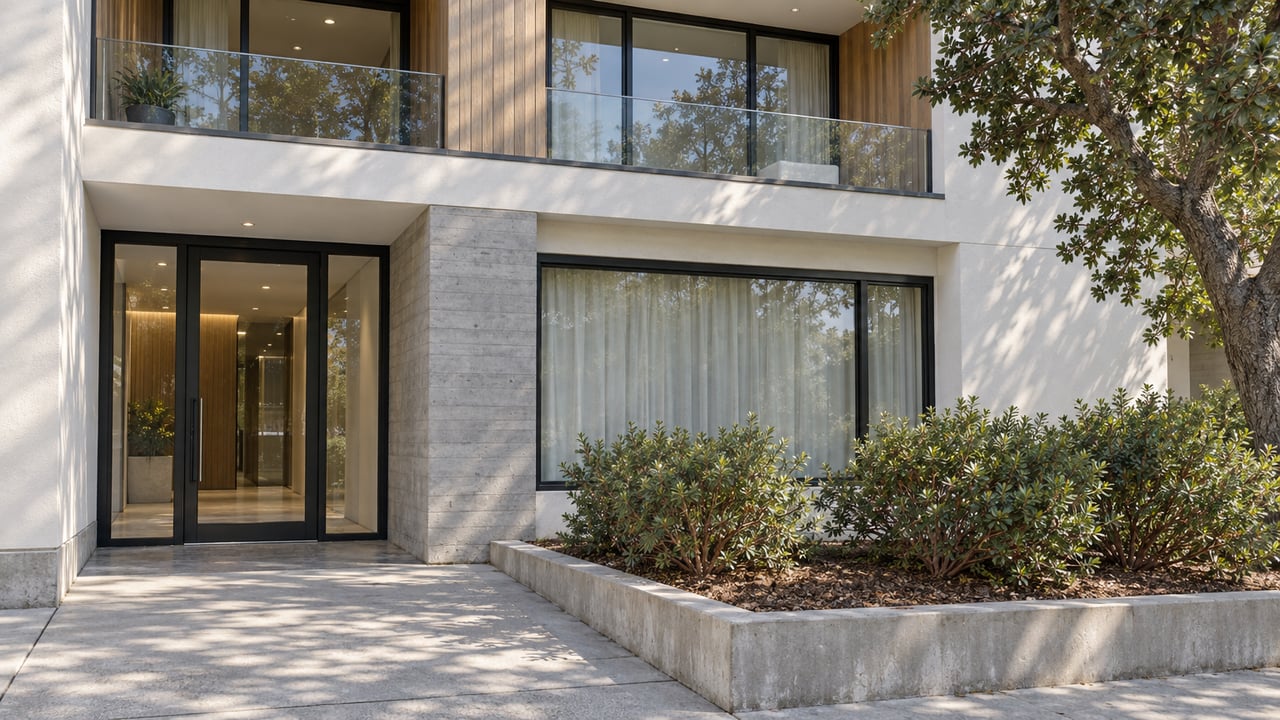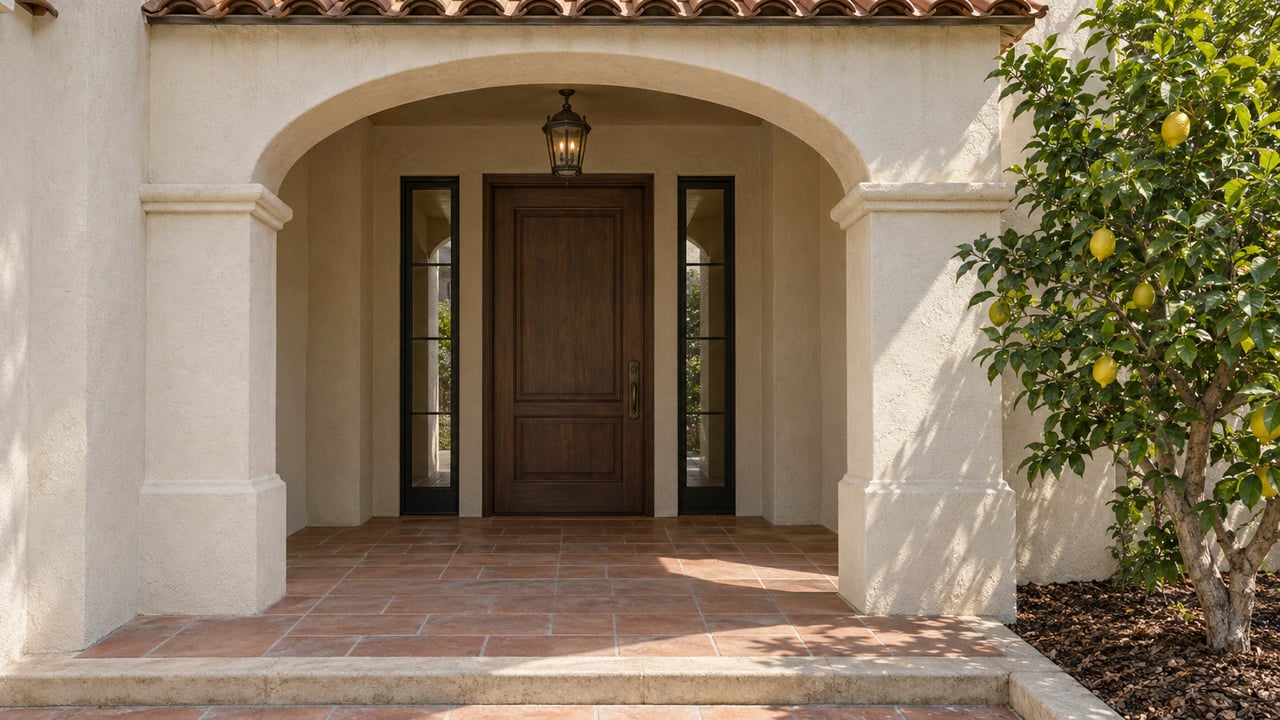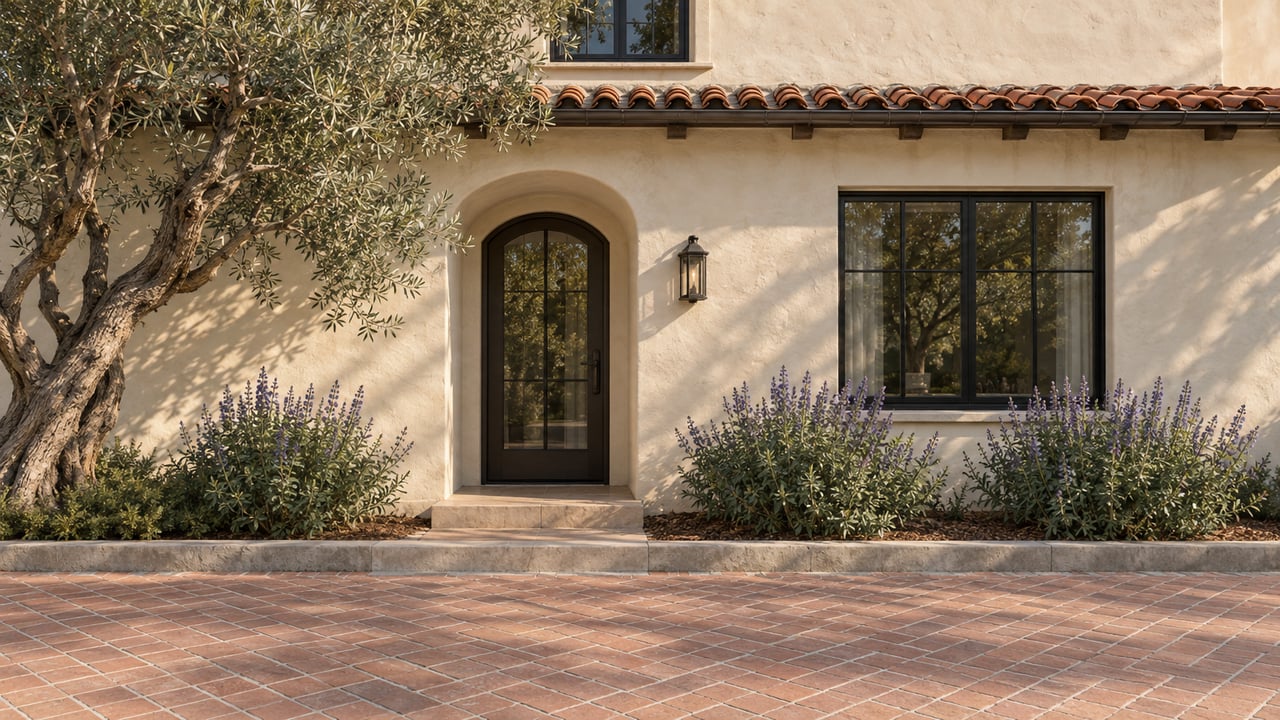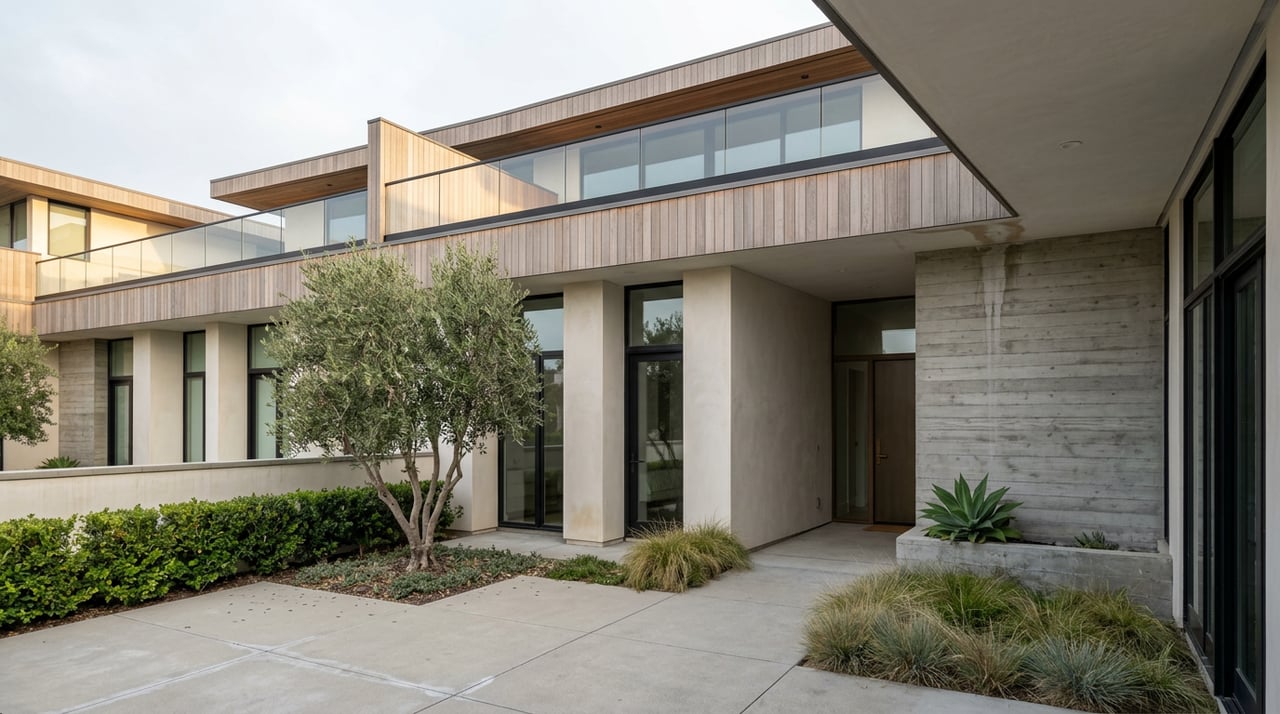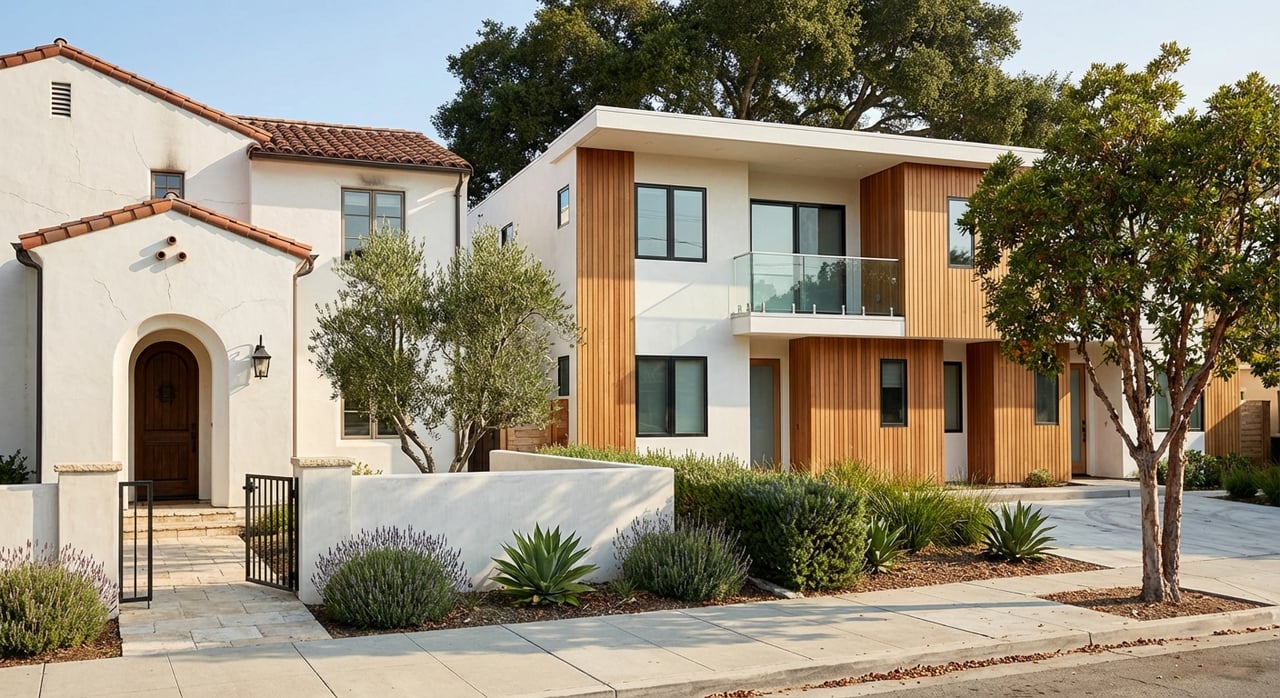
Should you stretch for a yard and full privacy, or choose a lower‑maintenance place closer to Caltrain and downtown? If you are weighing a single‑family house against a townhome in Mountain View, you are not alone. It is a big decision with real tradeoffs in price, monthly costs, lifestyle, and long‑term resale. In this guide, you will compare the numbers and day‑to‑day differences, learn what to check in HOA documents, and use a simple framework to decide. Let’s dive in.
Mountain View market snapshot
Mountain View is a supply‑constrained market. Citywide medians vary by data source and method. Recent vendor snapshots show a citywide median sale price around $1.66M (Redfin, January 2026) and a typical home value near $1.97M (Zillow ZHVI, data through January 31, 2026). Vendor methods differ, so use neighborhood and zip‑level comps for real planning.
Price bands also vary across 94040, 94041, and 94043. As a planning guide, single‑family homes often range from roughly $1.6M to $2.5M for smaller or older homes, $2.5M to $4M for typical family homes, and $4M+ on the high end. Townhomes commonly fall between about $1.1M and $2.2M, with many downtown or Caltrain‑adjacent options in the $1.3M to $1.9M band.
Competition can be intense. Well‑priced houses often draw multiple offers and can sell quickly. Attached homes see steady demand at entry price points, but buyer pools and timelines can shift with project financing or HOA conditions.
Costs: price and monthly payment
Purchase price is the first fork in the road. Houses usually cost more because you are buying land, privacy, and flexibility to expand. Townhomes typically offer a lower entry price for the same commute and amenity corridors.
Property taxes in California generally start near 1 percent of assessed value, plus voter‑approved local bonds and assessments. The exact tax bill depends on the tax‑rate area and special assessments. Review your preliminary title report and the most recent tax bill when you get serious about a property. A county assessor overview explains how assessments work statewide.
HOA dues matter for attached living. In Mountain View, townhome dues often land in the low‑to‑mid hundreds per month and can exceed that in amenity‑rich communities. Lenders count dues in your debt‑to‑income ratio, so they directly affect what you can borrow.
For maintenance, a common rule of thumb is to reserve about 1 percent of a home’s value per year for upkeep, with more for older properties and large yards. Townhome owners may spend less directly on exteriors, but HOA dues and possible special assessments replace some of those costs.
Use a simple formula to compare apples to apples:
- Annual carrying cost = Mortgage principal and interest + Property tax (about 1 percent of price plus local bonds) + Homeowner’s insurance + HOA dues × 12 (if any) + Maintenance reserve (about 1 percent of value for a house, adjust for age and condition).
If you are deciding between a $2M house and a $1.6M townhome with $550 monthly HOA dues, run both scenarios side by side. Ask your lender to model the HOA dues in your front‑end ratio so you see the true monthly picture.
Maintenance and control
With a single‑family home, you are responsible for the roof, exterior, fences, yard, and systems. That means more time and budget, but you gain freedom to choose materials, landscaping, and upgrades, subject to permits and zoning.
In a townhome, the association often maintains common areas and some or all of the exterior, depending on the legal structure and CC&Rs. Always confirm what the master policy and CC&Rs cover and what falls to you. California’s Davis–Stirling Common Interest Development Act sets the ground rules for HOA governance, disclosures, and owner rights, so use it as your legal backdrop when reading documents.
HOA health: what to check
If you lean toward an attached home, review the HOA early. Request these items during your offer or inspection window:
- CC&Rs, bylaws, and rules and regulations
- Current operating budget and the most recent financial statement
- Reserve study (to see if the HOA is saving for roof, siding, paving, and other big‑ticket items)
- Board meeting minutes and any litigation disclosures
- Insurance summary (master policy coverage and deductibles; what you must insure separately)
- Rental caps, short‑term rental rules, pet rules, parking, and EV/solar policies
Red flags to watch for include chronically low reserves, repeated or large special assessments, active litigation, and high owner delinquency. Restrictive rental rules can also limit future flexibility if you plan to rent.
Financing and insurance differences
Financing can look different for attached homes. Many condos and some townhome projects need project‑level approvals for FHA, VA, and the conventional secondary market. If a project is not eligible or is considered non‑warrantable, your loan options may narrow and down‑payment needs can change. Verify status with your lender early and review federal guidance on condo and project approval.
Lenders include HOA dues in your housing ratio when you qualify. Higher dues can reduce borrowing capacity, so ask your lender to model multiple HOA scenarios before you tour.
Insurance needs also differ. House owners typically carry an HO‑3 or HO‑5 policy that covers the full dwelling and structures. Condo and townhome owners usually carry an HO‑6 policy for interiors and personal property, while the HOA’s master policy covers common areas and some exterior elements. Check what perils the master policy covers and whether you need loss‑assessment coverage for master policy deductibles.
Privacy and space
Townhomes often share walls, which can reduce privacy and increase noise transfer. If a private yard, outdoor entertaining, or a quieter setting is a top priority, a single‑family home usually fits better.
Houses also offer more room to expand or add features like an accessory dwelling unit, subject to local permits. Exterior changes in a townhome will likely need HOA approval and must follow the CC&Rs.
Commute and location fit
Many Mountain View buyers weigh commute and proximity to major employers. The city is home to large campuses such as Google’s Googleplex, Intuit, and NASA Ames. If you value walkability to transit, homes near the Mountain View Transit Center can be compelling for Caltrain access to San Jose or San Francisco.
Townhomes and condos near downtown often trade private yards for a shorter commute, bikeable routes, and easy dining or retail access. Decide whether you want your daily routine to center on a yard and home projects, or on walkability and low‑maintenance living.
Compare at a glance
| Factor | Single‑Family House | Townhome |
|---|---|---|
| Typical price band | About $1.6M–$4M+ depending on size and location | About $1.1M–$2.2M depending on size and location |
| HOA dues | None | Common in the low‑to‑mid hundreds monthly, higher with amenities |
| Maintenance | You handle roof, exterior, yard, and systems | HOA handles common areas and some exterior items per CC&Rs |
| Privacy/outdoor space | Highest privacy, private yard | Shared walls, limited private outdoor space |
| Financing notes | Standard single‑family lending | Project eligibility can affect loan options and buyer pool |
| Resale profile | Broad appeal to buyers seeking land and privacy | Strong for buyers prioritizing location and low maintenance |
Decision framework and checklist
Follow these steps to compare two homes or prep before tours.
Step 1: Confirm financing and budget
- Get pre‑approved and ask your lender to model scenarios that include HOA dues and realistic property taxes.
- If you need FHA or VA, confirm whether the project is eligible or can receive single‑unit approval under current guidance.
Step 2: Gather documents before you offer
- For attached homes: request the full HOA packet — CC&Rs, bylaws, budget, reserve study, insurance summary, meeting minutes, and any litigation disclosures.
- For houses: review seller disclosures and recent utility bills. Note roof age, HVAC age, and signs of deferred work.
- For all properties: review the preliminary title report and tax bill for special taxes or assessments.
Step 3: On‑site checklist during tours
- Listen for noise at shared walls and in bedrooms at different times of day.
- Measure usable outdoor space and note sun exposure. For houses, check side yards and potential ADU locations.
- Confirm assigned parking, guest parking rules, and any EV charging.
- Look for evidence of deferred maintenance or water intrusion.
Step 4: Compare total monthly costs
- Annual carrying cost = Mortgage principal and interest + Estimated property tax + Insurance + HOA dues × 12 (if any) + Maintenance reserve. Use the 1 percent maintenance rule as a starting point, then adjust for age and condition.
Step 5: Pause for red flags
- HOA issues: no recent reserve study, repeated special assessments, pending litigation, or high owner delinquency.
- Home issues: major deferred systems, drainage problems, or unpermitted work that can block financing or resale.
Which one fits you?
Choose a house if you want private outdoor space, maximum control over improvements, and the widest long‑term flexibility. Expect a higher purchase price and more hands‑on maintenance.
Choose a townhome if you prefer a lower entry price into Mountain View, less exterior upkeep, and closer proximity to downtown or transit. Expect HOA bylaws, shared walls, and project‑level financing checks.
Plan your next step
You deserve a calm, clear path through this decision. If you want help running side‑by‑side cost scenarios, reviewing HOA health, and shaping a search that fits your commute and lifestyle, connect with Karin Freiman. She brings rigorous process control and warm, client‑first guidance to every step.
FAQs
How do HOA dues affect my mortgage pre‑approval in Mountain View?
- Lenders include monthly HOA dues in your housing ratio, which can reduce borrowing power. Ask your lender to model several HOA scenarios before you tour.
What HOA documents should I review before buying a Mountain View townhome?
- Request CC&Rs, bylaws, rules, budget, financials, the latest reserve study, insurance summary, meeting minutes, and any litigation disclosures. These show costs, policies, and future risks.
Are property taxes different for houses and townhomes in California?
- Both follow the same base framework: about 1 percent of assessed value plus local bonds and assessments. The exact figure depends on the property’s tax‑rate area and any special taxes.
What insurance do I need for a townhome vs a house?
- House owners typically carry HO‑3 or HO‑5 coverage for the dwelling. Townhome owners usually carry HO‑6 for interior finishes and personal property while the HOA insures common areas. Confirm master policy details and deductibles.
Can I use FHA or VA financing for a Mountain View townhome?
- Often yes, but it depends on project eligibility. Ask your lender to verify project approval or single‑unit approval options early so you can plan your offer strategy.
How does commute factor into a Mountain View house vs townhome choice?
- If you want walkability to Caltrain or downtown, townhomes and condos near the Transit Center can be attractive. If a private yard and space are higher priorities, a house further from transit may fit better.